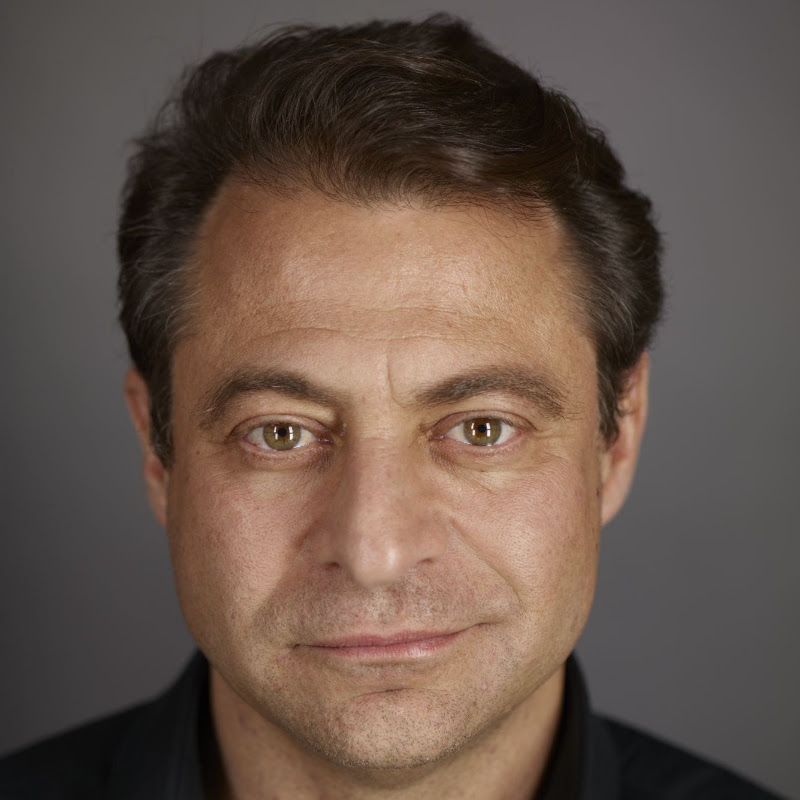
Michael Kratsios
Area of Focus
Michael Kratsios works in the field of technology policy and government science advising, with a primary focus on artificial intelligence, emerging technologies, and national security.
Born
Michael Kratsios was born on November 7, 1986, in South Carolina.
Citizenship
United States.
Education
Kratsios graduated from Princeton University with a bachelor's degree in political science and a certificate in Hellenic studies.
Occupations
He currently serves as the director of the Office of Science and Technology Policy and as the science advisor to the president.
Career & Projects
Kratsios has held several high-level government positions, including serving as the chief technology officer of the United States from 2019 to 2021 and as the acting under secretary of defense for research and engineering. During his previous government tenure, he led the American AI Initiative and assisted in a task force on technology and research involving COVID-19, which established an endeavor to allow researchers to use advanced computing for disease research. Between his government roles, he served as the managing director and head of strategy at Scale AI.
In his current role as director of the Office of Science and Technology Policy, which he assumed in 2025, he has outlined a plan to improve the U.S. technology industry by protecting intellectual property, enforcing export controls, and preventing adversaries from entering U.S. infrastructure. He also participated in leading interviews for the Department of Government Efficiency initiative.
Vision for the Future
Kratsios advocates for a policy environment with lessened regulations on emerging technologies, particularly artificial intelligence and drones. He has explicitly rejected calls for international AI regulation, such as those from the United Nations Security Council, and has criticized European Union regulatory plans.
His vision emphasizes national security and economic competition, specifically regarding China. He has argued that the United States must prevent adversaries from exploiting American innovation and has pushed for a shift where the private sector takes a larger role in funding scientific research while the federal government reduces bureaucratic spending.