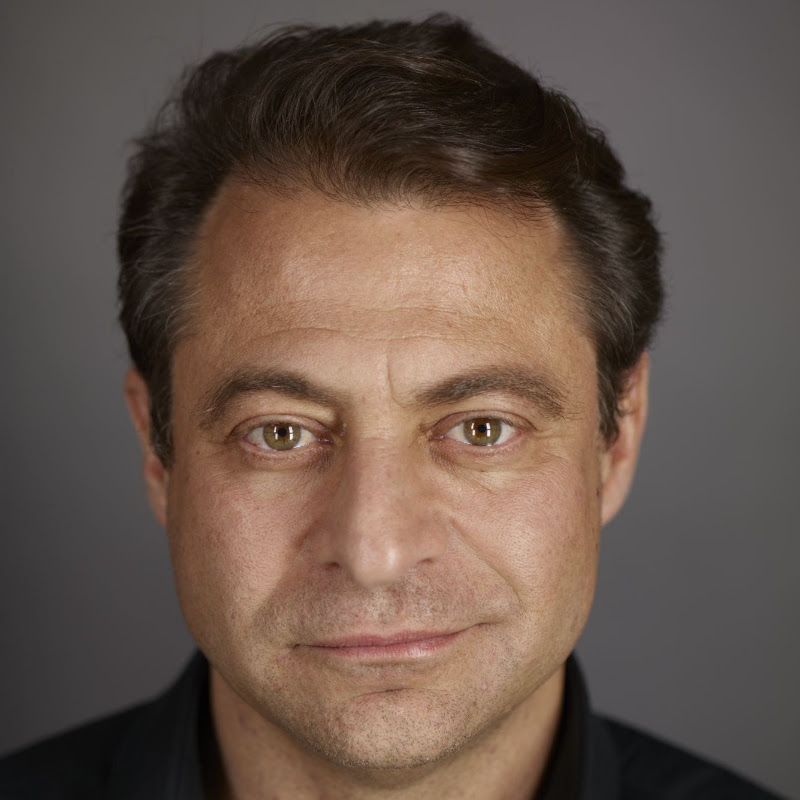
Raymond Kurzweil
Area of Focus
Raymond Kurzweil is a futurist and computer scientist focused on artificial intelligence, transhumanism, and the technological singularity. His work explores the intersection of technology and human evolution, including life extension through nanotechnology, robotics, and biotechnology.
Born
Raymond Kurzweil was born on February 12, 1948, in New York City.
Citizenship
He is a citizen of the United States.
Education
Kurzweil attended the Massachusetts Institute of Technology, where he earned a B.Sc. degree in computer science and literature in 1970.
Occupations
He is a computer scientist, author, entrepreneur, and futurist who currently works at Google on machine learning and language processing.
Career & Projects
Kurzweil has a long history of developing pattern-recognition technologies. He created the first omni-font optical character recognition system and the Kurzweil Reading Machine for the blind. He also founded Kurzweil Music Systems, which developed synthesizers capable of imitating real instruments, and Kurzweil Educational Systems, which created software to assist individuals with disabilities such as dyslexia and ADHD.
Currently, Kurzweil is employed full-time at Google, where he was hired by Larry Page to work on projects involving machine learning and natural language understanding. He also maintains an interest in financial technology through his hedge fund, FatKat, which utilizes AI to recognize patterns in market trends.
Vision for the Future
Kurzweil is a prominent transhumanist who advocates for an optimistic outlook on the future of humanity. He predicts the arrival of the technological singularity and believes that advancements in nanotechnology, robotics, and biotechnology will enable significant life extension. He has publicly stated his intention to be cryonically preserved by the Alcor Life Extension Foundation, with the hope that future medical technology will eventually be able to revive him.
His vision is rooted in the belief that nearly any problem can be overcome through technological innovation. He views the evolution of technology as a predictable trend and has authored several books, including The Age of Intelligent Machines and The Age of Spiritual Machines, to elucidate his theories on the future of technology and its impact on human existence.